A looming budget deficit in the State Department for ASALs and Regional Development has cast doubt over the continuation of cash transfers to thousands of vulnerable families in northern Kenya, raising fears that a key safety net programme could stall before the end of the financial year.
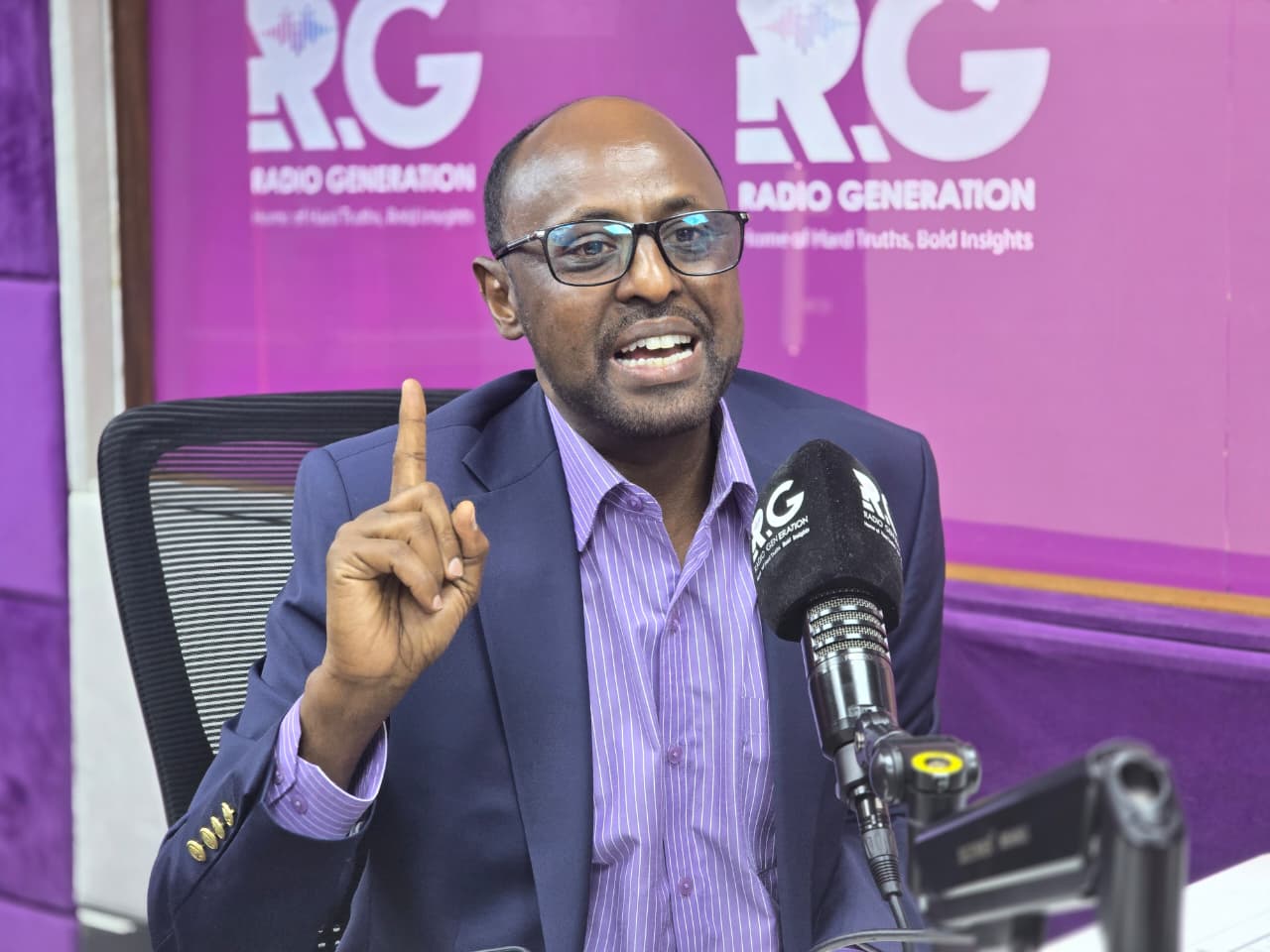
Principal Secretary Kello Harsama disclosed the funding challenges when he appeared before the National Assembly Departmental Committee on Regional Development on Tuesday, March 17, 2026. The committee, led by Sigor MP Peter Lochakapong, was reviewing Supplementary Estimates I for the financial year ending June 30, 2026.
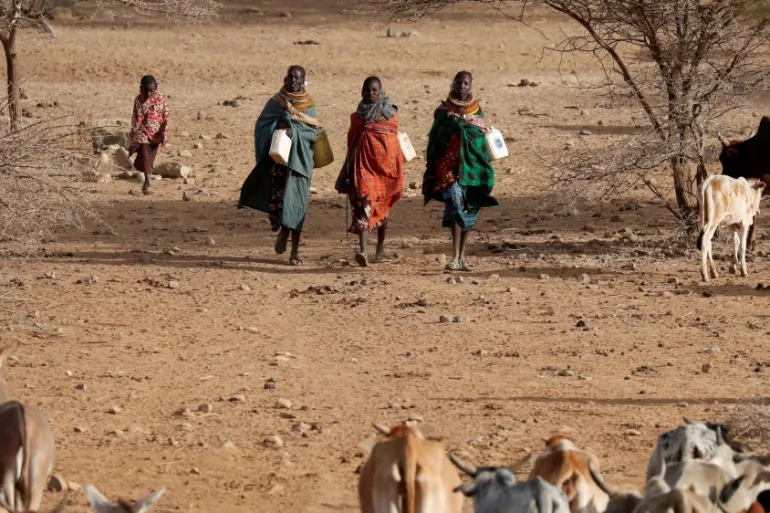
During his presentation, Harsama said the department requires Sh5.475 billion to run its programmes but has only been allocated Sh3.919 billion, leaving a gap of Sh1.556 billion. The deficit, he said, directly threatens the Hunger Safety Net Programme, which supports households facing food shortages in arid and semi-arid regions.
“We have a requirement of Sh5.475 billion against an allocation of Sh3.919 billion, leaving a deficit of Sh1.556 billion,” he told MPs.
He cautioned that unless additional funds are secured, the department will be unable to sustain payments in the last quarter of the financial year.
“Without this support, we will not be able to cover the payroll cycles for the last quarter of the year. Beneficiaries will not be paid.”
Harsama explained that the department had already resorted to Article 223 of the Constitution to access Sh350 million to address urgent drought-related needs, including water distribution and repair of boreholes. However, he said the amount only offers temporary relief and does not resolve the broader funding gap.
The situation is further complicated by accumulated pending bills totalling Sh11.5 billion. Of this, the Lake Basin Development Authority accounts for Sh9.5 billion, while the National Cereals and Produce Board is owed Sh53 million for relief food supplied in the previous financial year. The PS noted that the debt remains unsettled following the transfer of the function to another ministry without a corresponding budget.
He also pointed to stalled development projects that have been affected by lack of financing. The Ewaso Ng’iro tannery and leather factory, launched by President William Ruto in May 2025, was expected to receive Sh400 million in seed capital but has yet to be funded, delaying plans to operationalise a shoe production line.
In Kajiado County, the Oloitoktok tomato processing plant has remained unfinished for three years, denying farmers access to storage and value addition facilities.
Harsama admitted that the department is struggling to sustain its day-to-day activities. After meeting the needs of semi-autonomous agencies, only Sh65 million remains for headquarters operations and official functions.
“We have no allocation for foreign travel, yet the Cabinet Secretary is expected to represent the country in key forums on climate change and peace,” he said.
He added that field operations have been slowed by logistical setbacks, including a grounded official vehicle that requires Sh5.6 million for repairs and lack of fuel for travel across ASAL regions. He urged MPs to approve an additional Sh275 million to support operations and maintenance.
Cabinet Secretary for East African Community, ASALs and Regional Development Beatrice Askul Moe also highlighted operational and security concerns affecting the ministry. She recounted an incident in Nairobi where her vehicle was involved in an accident, leaving her trapped inside until police intervened.
The CS called for increased resources, including more vehicles, improved office infrastructure and timely payment of staff salaries, noting that delays have at times left workers without pay for months.
Committee chair Peter Lochakapong said members would review the department’s submissions before preparing a report with recommendations to be presented to the House, assuring officials that their concerns would be considered in the budget process.